
Pontos

Doto, the AI behind every decision, from buyer to fisher.

Pontos is a research company. We study the decisions made at sea and ashore, and build what we learn into Doto: when, where and how to operate, what to supply, and the margin to expect.
Doto
Sample answers, on demonstration data.
Request a demo Who it's for
INRIA spin-off Backed by
CNESESAAirbusAquiti
Research

We study the sea as a socio-ecological system.

Fishers, vessels, markets, the ocean and the resource shape one another. We build multi-agent models of these interactions and use them to inform each decision: when, where and how to operate a vessel, what to supply, and the margin to expect, so that a trip pays and the resource holds. What we learn goes into Doto.

01

Multi-agent models

A family of models in which vessels, crews, buyers and the resource act as agents, each responding to the ocean and to one another's decisions.

02

Decisions across the trip

When, where and how to operate each vessel, what to supply to the market, and the margin to expect before leaving port: more value from every trip, with the resource maintained.

What is at stake

A living, renewable resource, provided it is managed with precision.

$184bn in global trade of aquatic products in 2024, on a par with land-based meat.
3.1bn people get at least a fifth of their animal protein from aquatic products.
FAO, SOFIA 2026
The gap

Every tool stops where the real decision begins.

Bridge electronics show the sea. Software files the paperwork afterwards. Nothing says when to operate, at the moment of decision, at sea or at the farm. Nothing links the operation to the rest of the chain.
What the chain uses today What it serves What it leaves out
Bridge electronics
Oceanographic charts on a bridge screen. Finding the fish.
What it leaves outThe state of the stock. The economics of the trip.
Management software
Lots, stock, cold chain, invoices, declarations. Traceability after landing.
What it leaves outThe decision made at sea.
Observation and control
Observers, cameras, satellite tracking. Knowledge and verification.
What it leaves outLittle that is usable on board.
Purchasing
Delivery notes, invoices. What was bought.
What it leaves outWhat is coming, and proof of where it comes from.
Doto The Pontos AI for every role in the seafood chain.
The decision at the moment it is made, on board and ashore.
One question. One sourced answer.
On board

At sea, you talk. Doto writes.

The crew says what was done: a catch, a transfer, a harvest. Doto writes the logbook, checks the zone and prepares the declaration. Nothing to type, nothing to re-enter back in port.

Real screens, demonstration data.
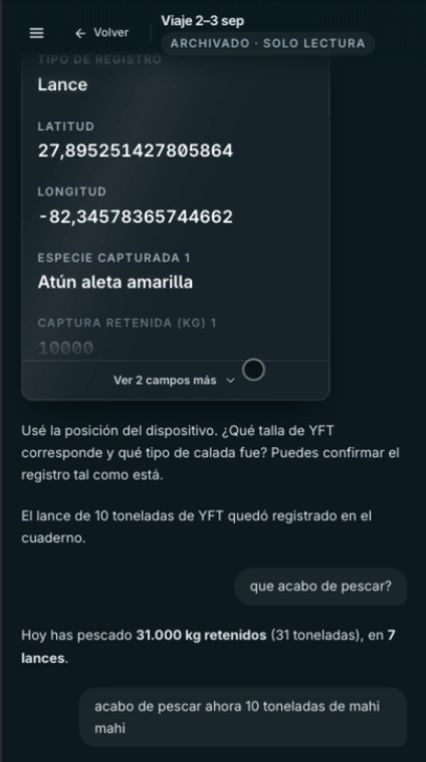
Doto on a phone: a catch dictated aboard and recorded in the logbook, with position, species and weight
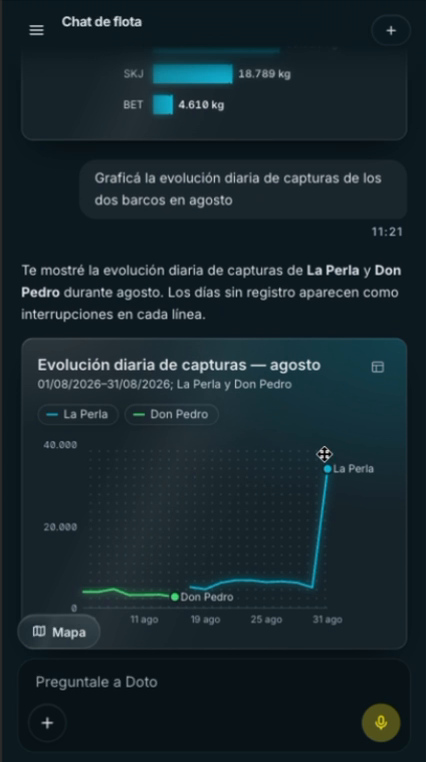
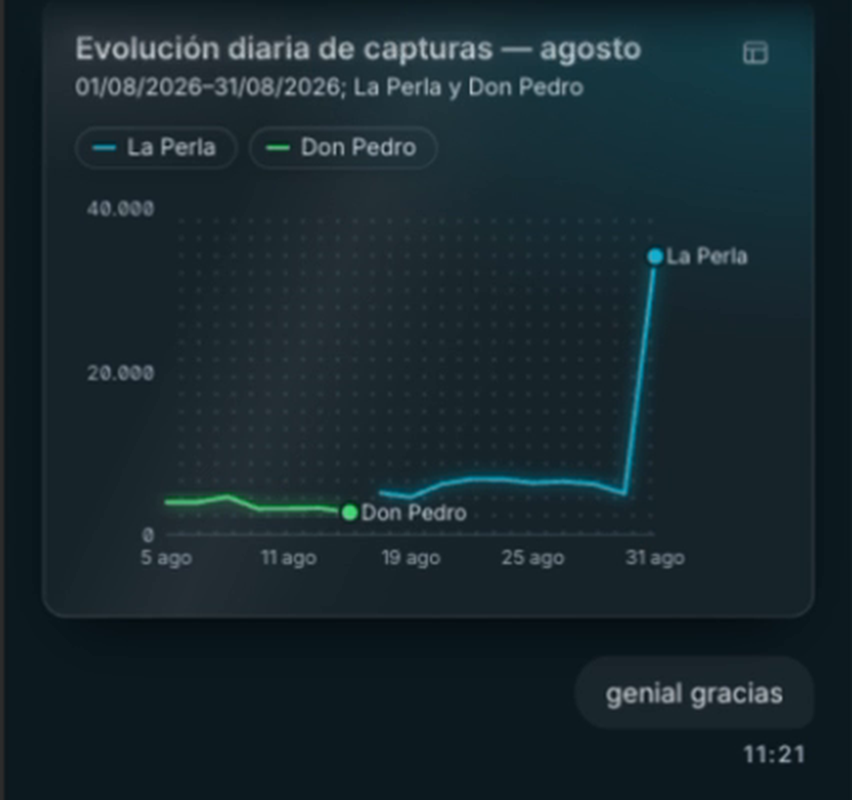
Doto fleet chat: the daily catches of two vessels charted on request

Doto on the phone, in Spanish. Left: a catch dictated aboard, recorded in the logbook. Right: the fleet's catches charted on request. Demonstration vessels.

Behind the answer

One sentence in the wheelhouse. An ocean model and a tracked fleet behind it.
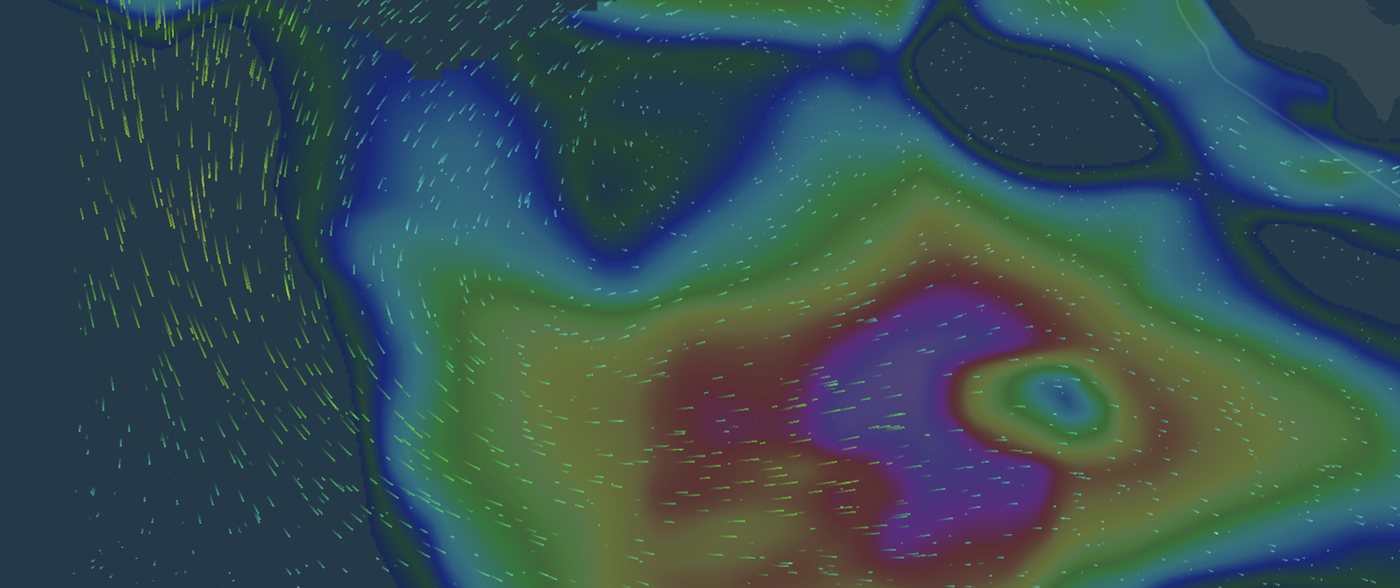
Forecast map The ocean field over your operating area. Modelled field, rendered continuously over the operating area.
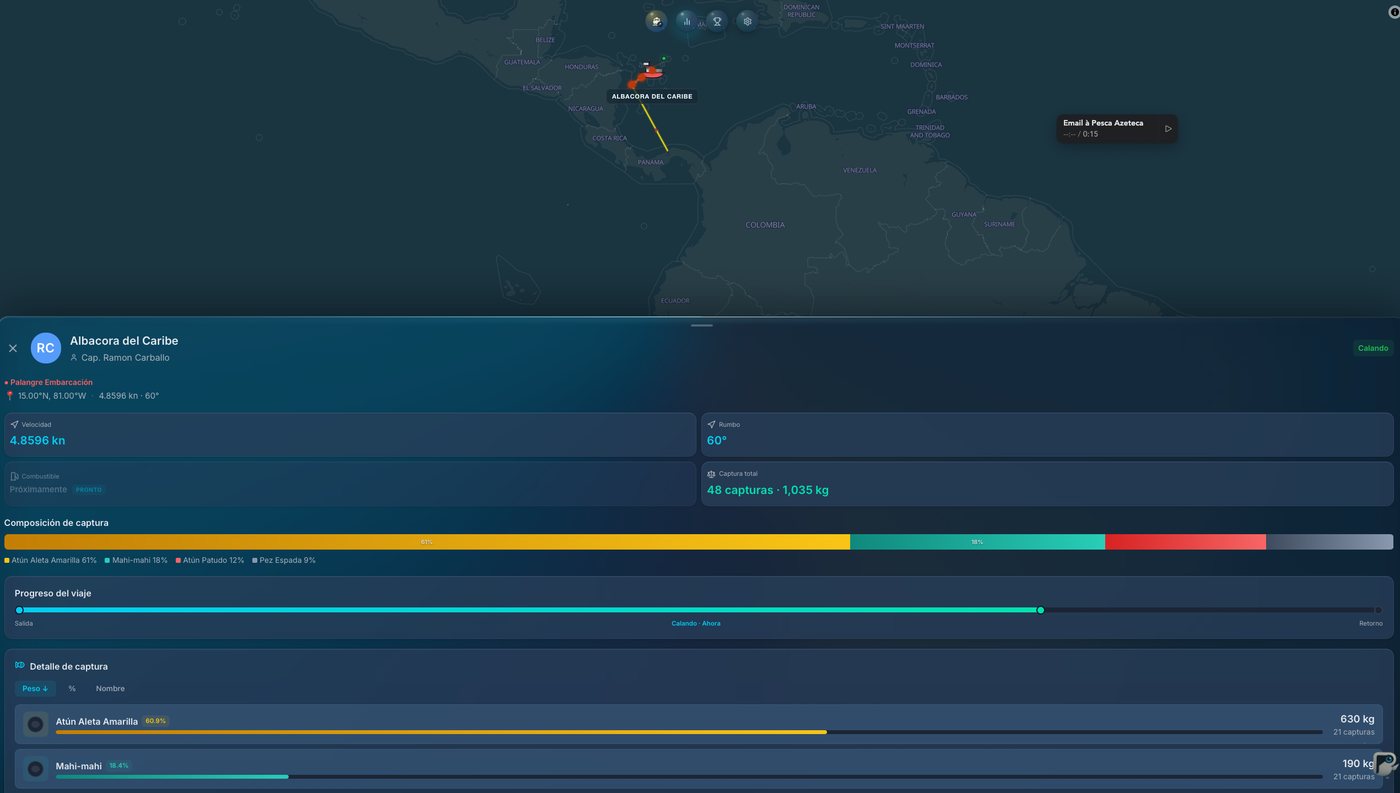
Vessel sheet The current trip, minute by minute. Position, speed and heading, declared gear, trip progress. Catch composition by species, in kilos and share of total.
Ocean model Continuous rendering over the whole operating area.
Fleet tracking Position, gear, speed, heading and progress of every equipped vessel.
Catch by species Kilos and share of total, entered on board, available ashore without re-entry.
Doto screenshots. Data shown is from a demonstration vessel.
“I used to spend two hours every evening on paperwork. Now I say what I caught, and it is done.”
Alexis L., vessel owner
“At sea, I talk to Doto like a crew member. The logbook writes itself while we work, even with no signal.”
Andrey P., captain
“Before leaving port, I ask Doto what the last trips cost. It changes how I prepare the next one.”

Gabriel M., captain
The seafood chain

Five links. One operation.

From the vessel or the farm to the plate: vessel, owner, auction, wholesaler, buyer. Each asks Doto their question. Doto answers from the same operation.

The vessel

Species, zone and gear originate here.

Doto “When do I go out tomorrow?” Doto cross-checks the sea, the season and the vessel's history.

The owner

Crew, fuel, quotas, accounts.

Doto “Which vessel is losing money, and why?” The answer by species, zone and season.

The auction

The first sale.

Doto “What is this lot worth?” Quality, origin and gear known before bidding.

The wholesaler

Sorts, fillets, packs.

Doto “Where does this fillet come from?” The answer, down to the trip.

The buyer

Price is negotiated on quality and proof.

Doto “Are my suppliers keeping their commitments?” Deliveries, quality, price and origin, boat by boat. EU CATCH data included.

Around the fleet, the same record.

A documented operation also serves those who manage the resource, finance the fleet or share the sea.

Resource management
“What fishing effort on this stock, this season?” Effort and catch, aggregated and anonymised.
Banks and insurers
“Is this vessel profitable over time?” Activity history, shared with the owner's consent.
Offshore wind
“Where does the fleet work around the wind farm?” Fishing grounds, to design the wind farm with the fishers.

Chain breakdown based on Ifremer.

The proof

Measured on vessels in commercial operation.

Fuel is the first or second cost item of a working vessel. The same measure serves the owner and serves the resource.

15% less fuel on average on equipped vessels, with fewer days at sea per kilo landed.
Measured before and after deployment on equipped fishing vessels.
Where to start

Recorded once at sea. Used by every role.

The vessel team records by voice. The shipowner team sees the margin. Buyers, lenders and insurers receive a verified record.
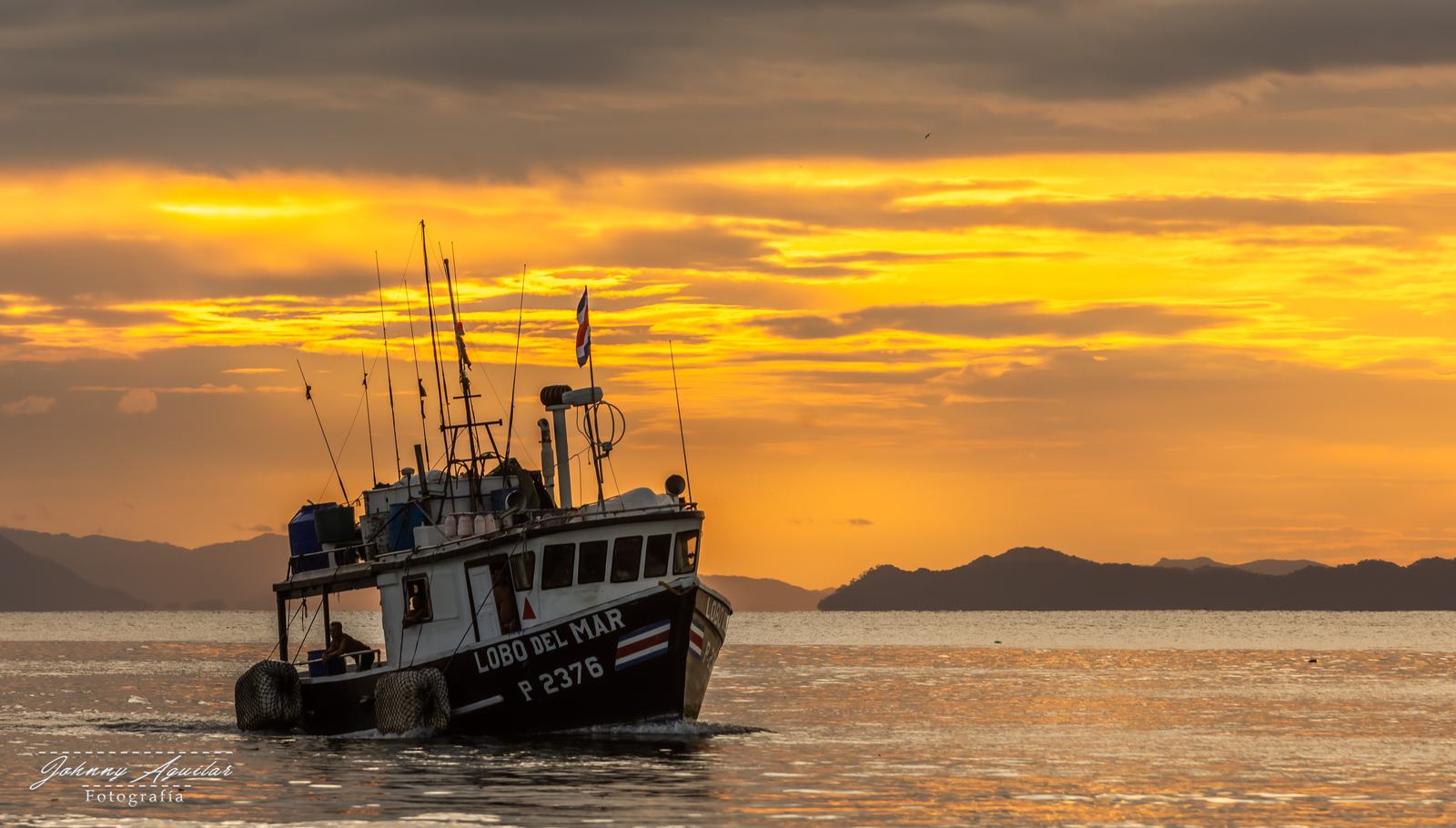
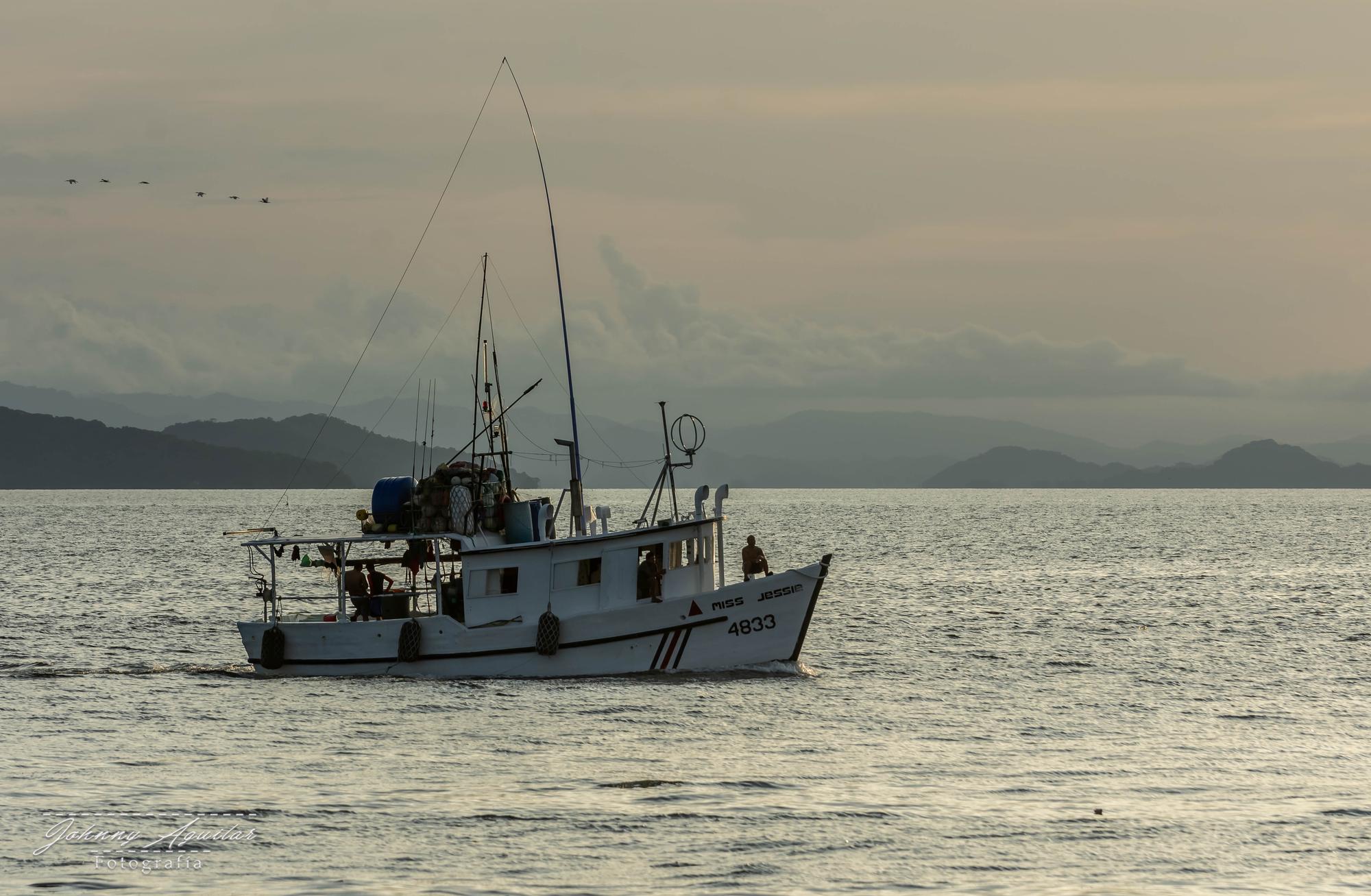
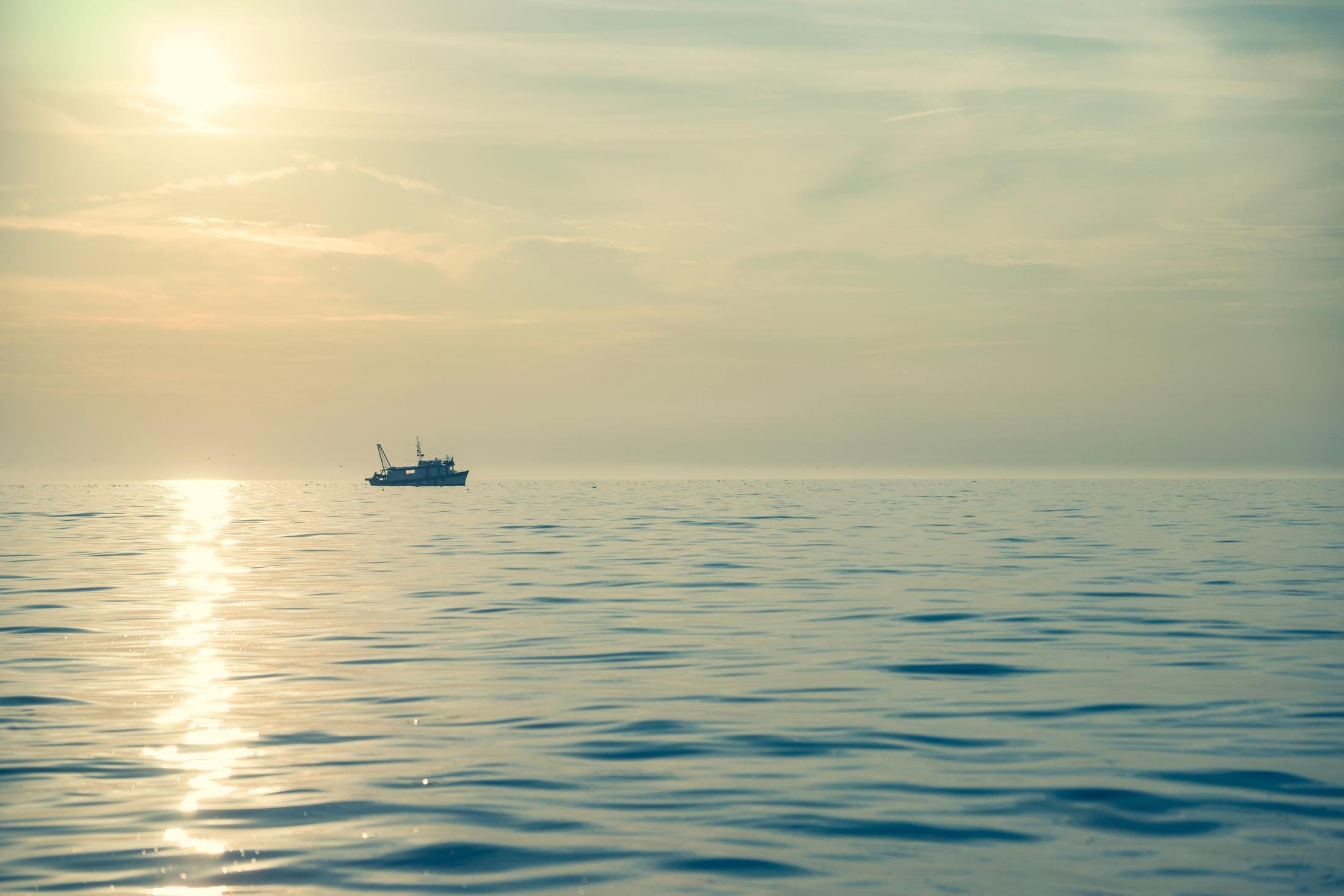
Fishing vessel returning to port at sunset
Vessel team · Fleets and farms

Every operation better prepared, better valued.

How is the sea this afternoon?
Doto
25-knot wind from 2 pm. Head back before 1 pm: with 96 kg on board, the trip is already profitable. Sources: today's marine forecast · your trip history
Plan each operation Doto cross-checks sea state, season and vessel history to choose the window to go out, transfer or harvest, and the time to head back.
Reduce risk Weather alerts during the trip. Ashore, the owner knows where the vessel is.
Get your catch recognised Every lot documented at landing. The buyer sees the origin and quality of your work.
Try Doto Free for the crew. Nothing to install on board.
Doto on a phone: daily catches of two vessels
Shipowner team

The margin of every trip, vessel by vessel.

Shipowner, operations, maintenance, accounting.
What did last month's operations cost us?
Doto
Cost per trip and per kilo, vessel by vessel, with fuel shown apart. Two trips came in below cost, both against strong headwinds. Sources: trip logbooks · fuel records
See the margin of every trip Cost per kilo by species, zone and season. Fuel per trip, vessel by vessel.
Close the month Costs of the month by vessel, ready for accounting and operations.
Try Doto Every role starts free.
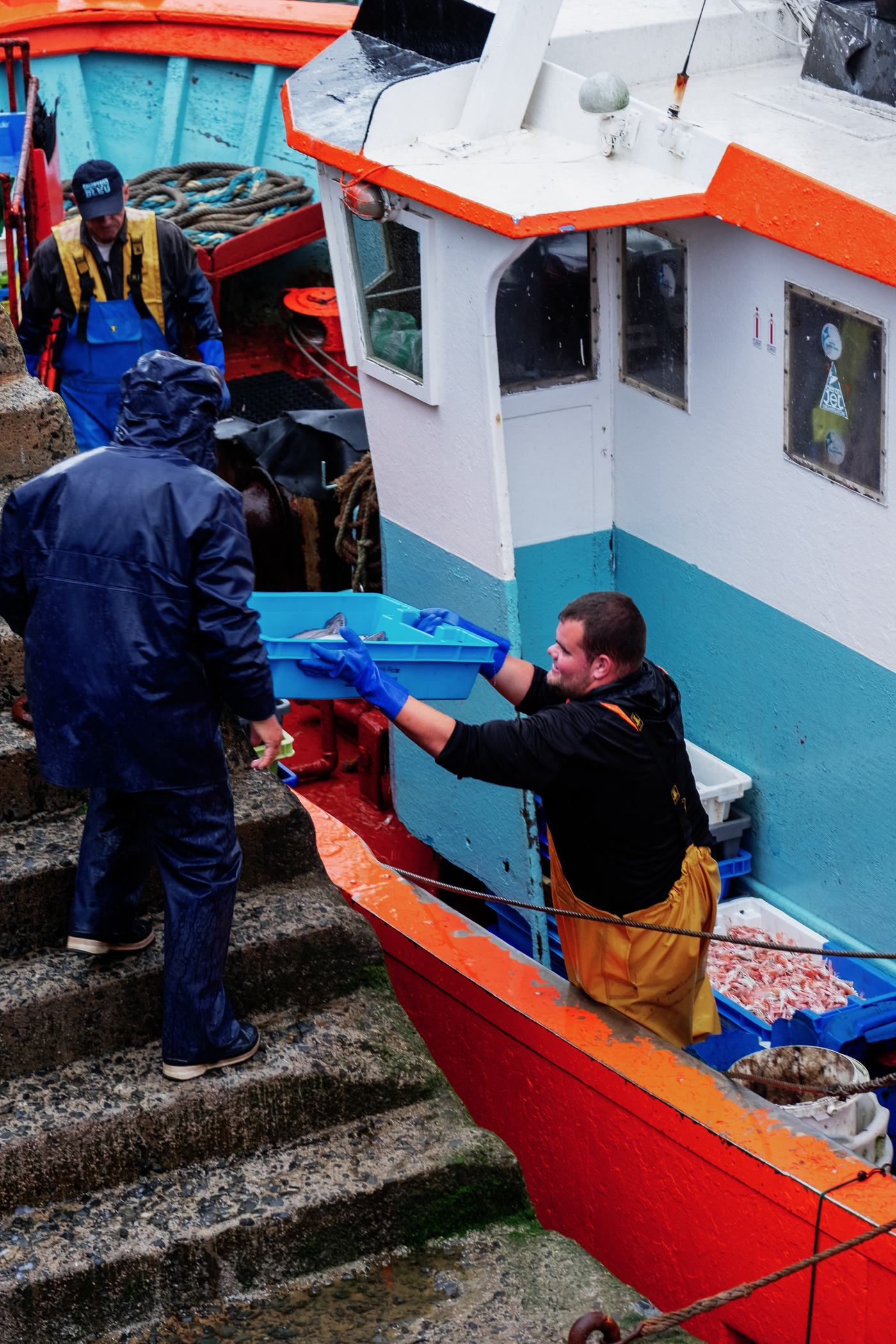
Crew landing the catch at the quay
Buyers

Every lot, documented from the sea.

Hotels and restaurants, wholesalers, processors, fishmongers, retail.
What are my suppliers landing today?
Doto
Three lots announced at landing:
DentexVessel A · 14 kg09:30
Red mulletVessel B · 9 kg10:00
Red porgyVessel C · 6 kg10:45
Sources: landing declarations · consistency checked against zone and season
Know what is coming Species, weight and time, announced at landing. Kitchens adapt the menu before the fish arrives.
Track your suppliers Consistency, quality and price, vessel by vessel, over time. Verifiable indicators, adapted to the standard you report against.
Prove the origin Every lot linked to its vessel, zone and date. The Pontos models, developed with INRIA, check each catch for consistency with the sea and the season.
Discuss a pilot Data verified by the Pontos models.

Everyone keeps ownership of their data. Pontos does not set prices between fisher and buyer. Sample answers, on demonstration data.

About

An INRIA spin-off, with a duty written into its articles.
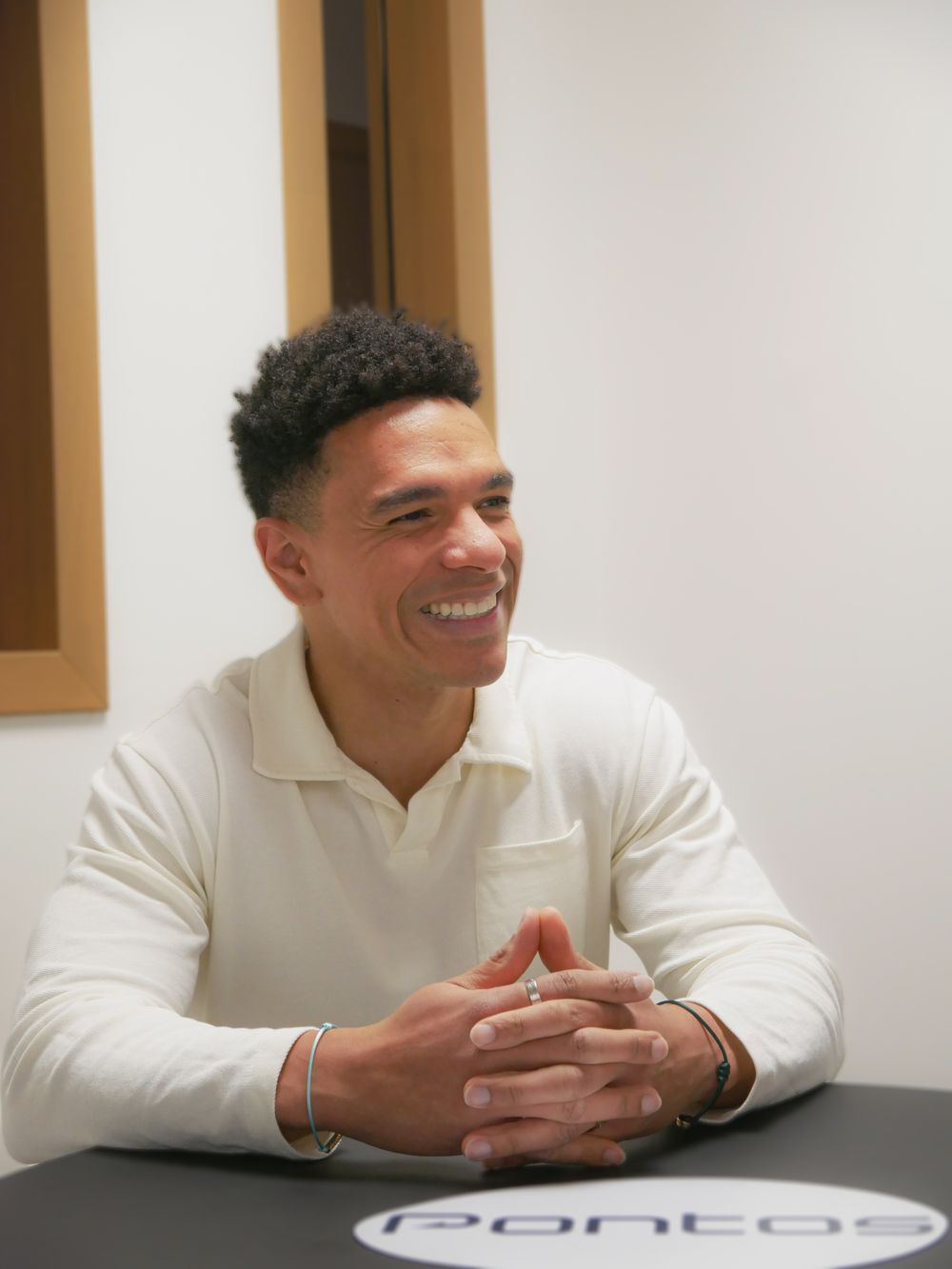
Luis Diaz, Managing Director of Pontos
Luis Diaz Managing Director

Science from INRIA

Doto's AI is developed with INRIA, with support from ESA and CNES.

A multidisciplinary team

Ocean and fisheries science, artificial intelligence, satellite observation, embedded and software engineering, commercial fishing operations.

A mission-driven company

Pontos SAS is a mission-driven company: its social and environmental objectives are written into its articles, with the oversight this status requires.

What we measure belongs to those who produce it.

The data comes from crews and cooperatives, and serves them first.

Time given back to the crew Reporting is done by voice during work, not after. Evenings go back to the crew.
Fuel, item by item Route and effort become measurable, so reducible. Fewer miles for the same catch.
Proof stays with the producer A verified origin can be negotiated. Value flows back up the chain the right way.
Deployment

It all starts with one documented trip.

We work with our first fleets and buyers. Join them: one vessel is enough to start. For a buyer: a six-month pilot on one site, with its suppliers.

Request a demo